
A lid over the water.
The covered reservoir helps keep feed, bedding and flies out between drinks.
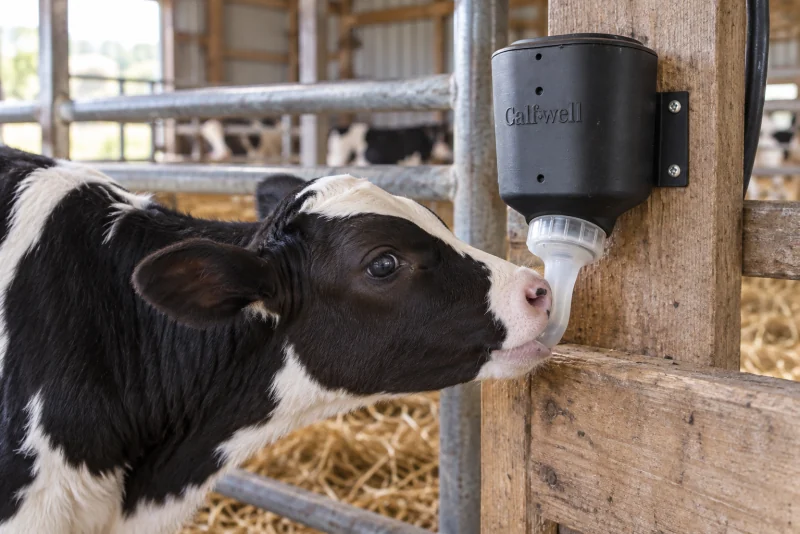
A covered water supply, connected straight to your line. Fresh water within reach, with one less pail to fill.
Patent pending
Loading 3D view
The Canteen
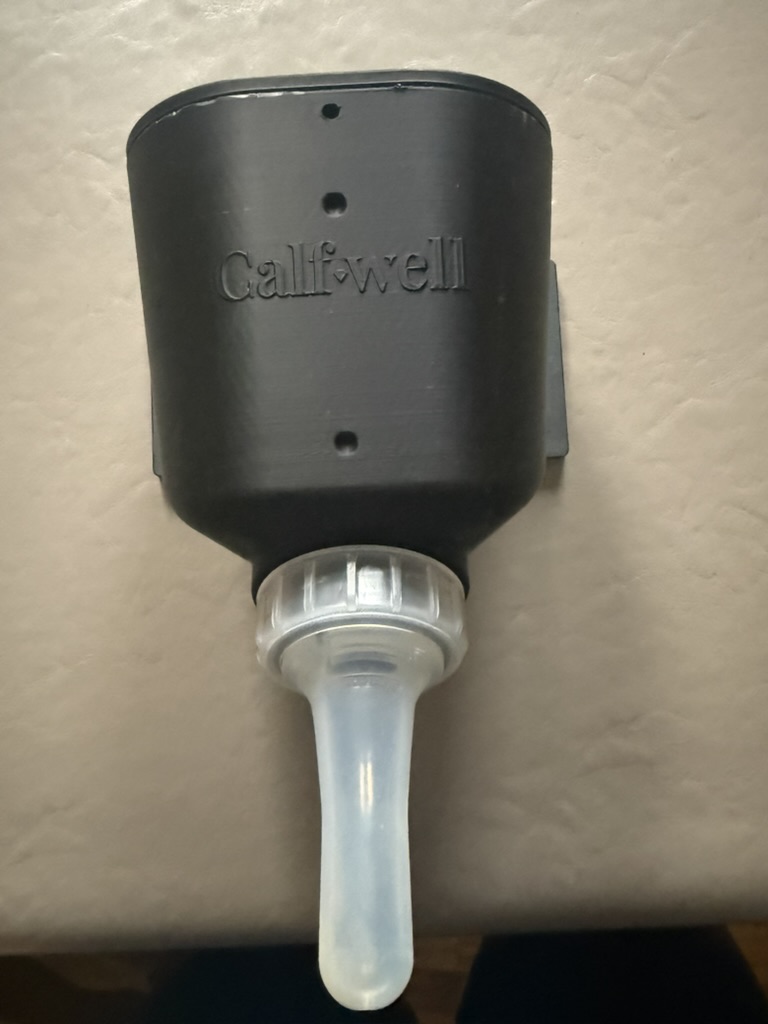
Front view. Lid closed.
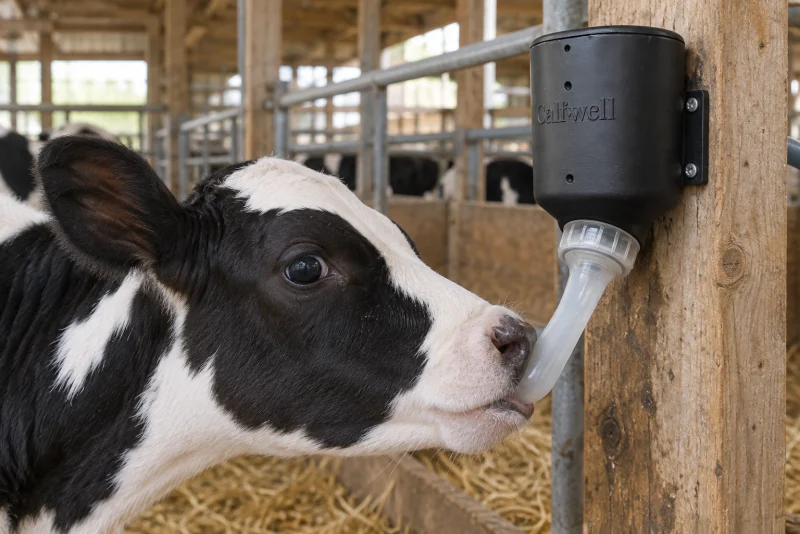 Less filling.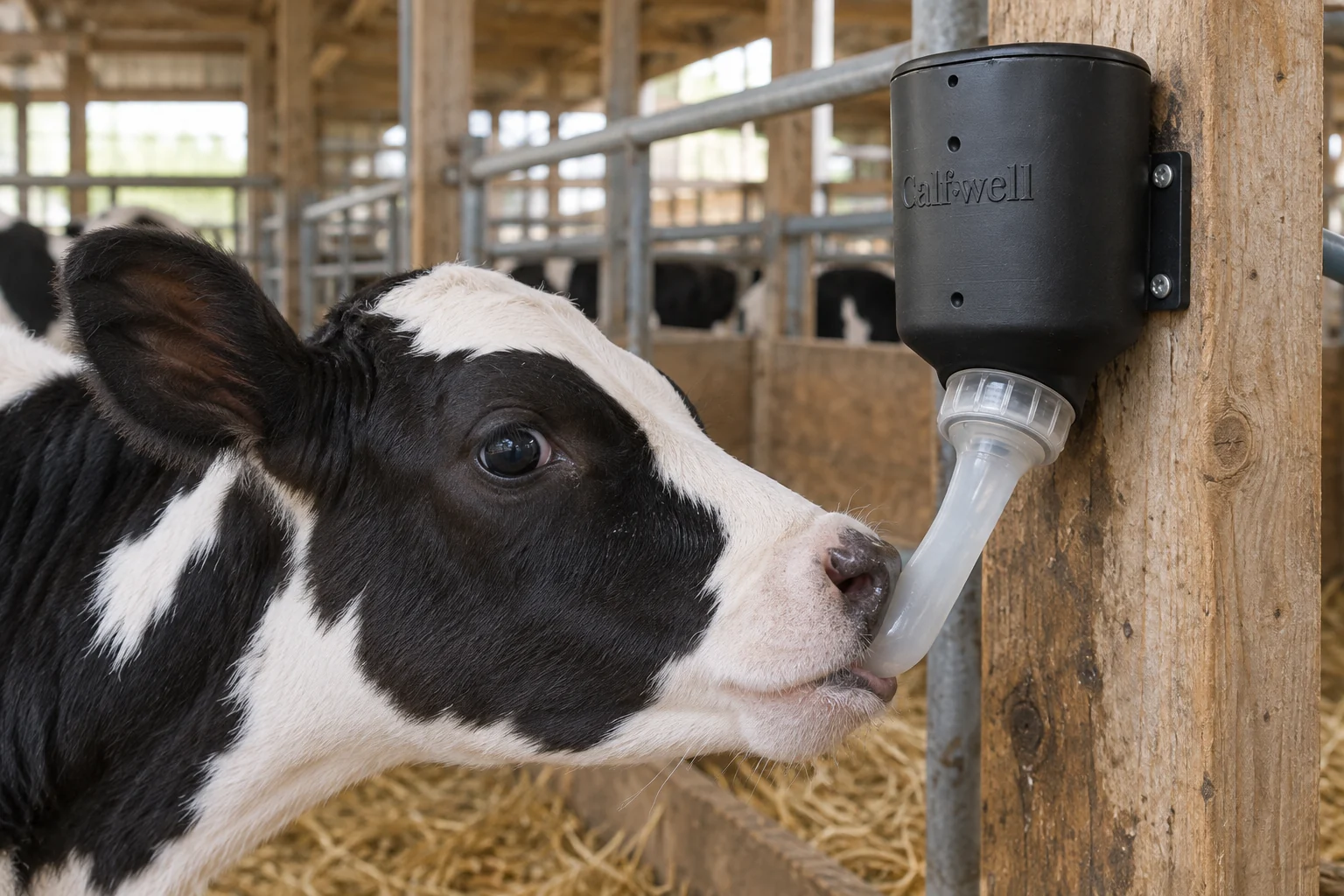
Feed, bedding and flies can find their way into an open pail. Canteen covers the water supply and brings a drink to the calf through a nipple.
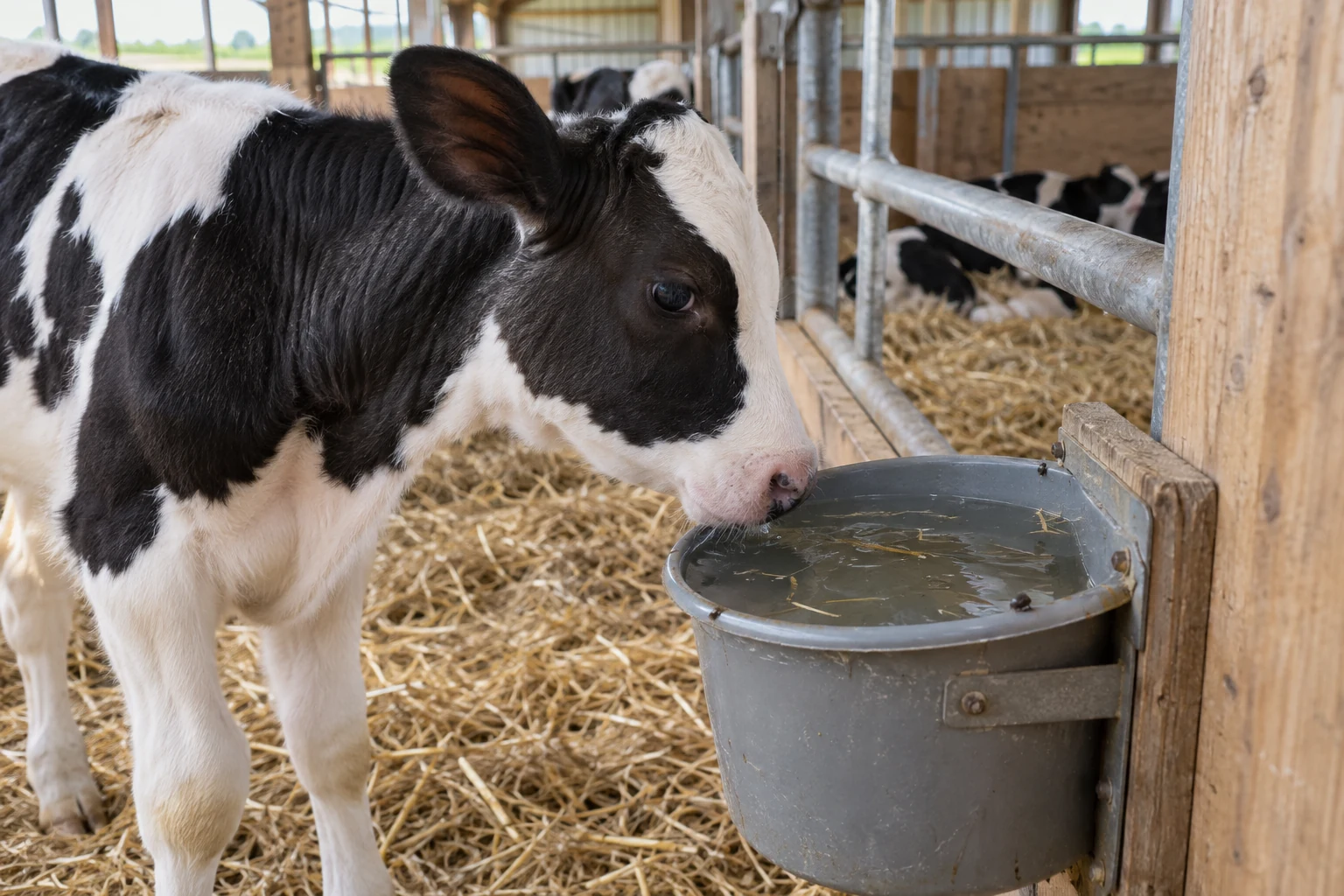
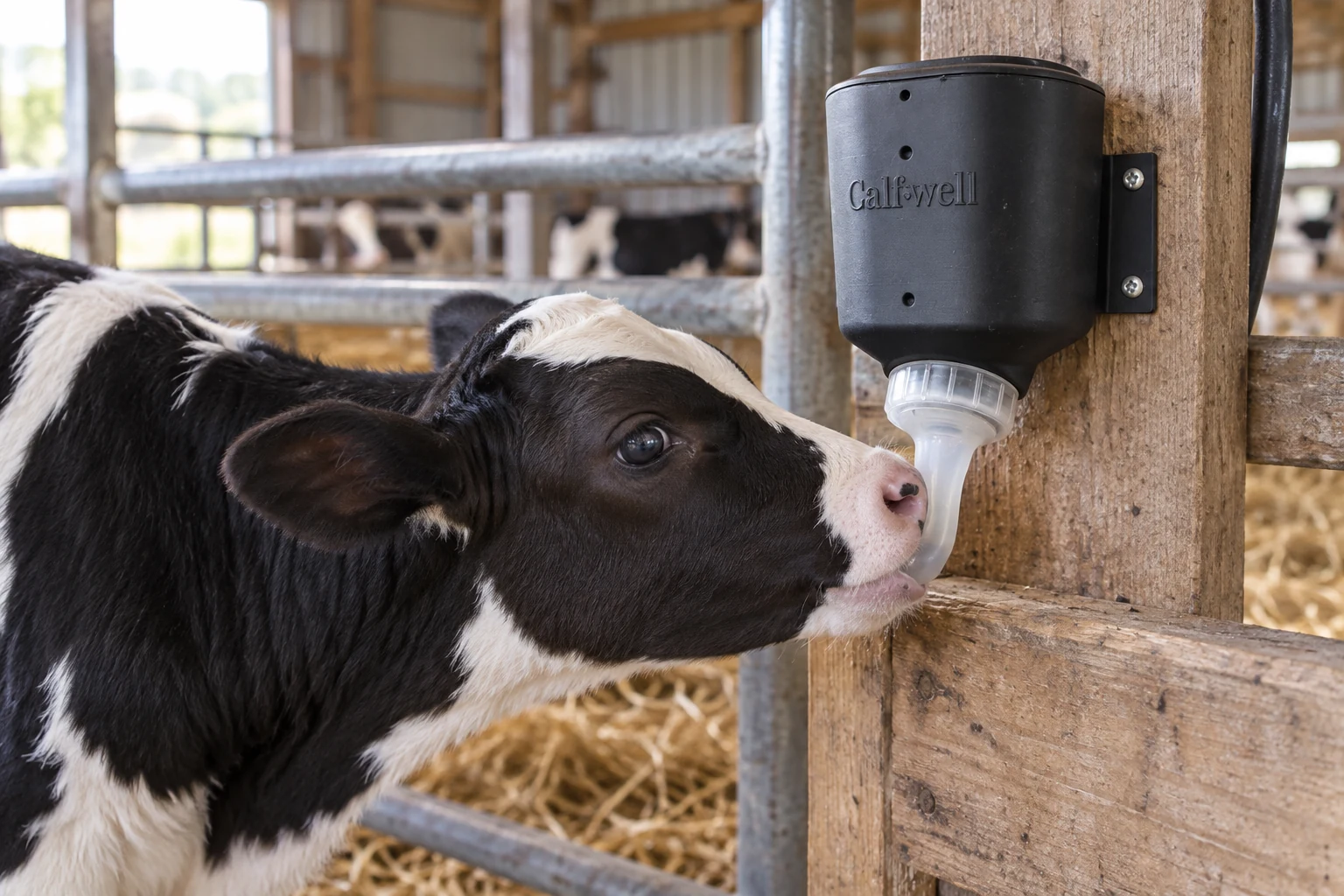
Illustrations of the two watering setups.
About 3× as much water.
In a comparison on one dairy farm in the southern Netherlands, CalfWell reports that calves drank about three times as much water from the Canteen as from open pails.
Milk is part of the feeding routine. Drinking water belongs there too: access to clean water supports starter intake as young calves grow.
Why young calves need waterDraft comparison. Based on an approximate ratio reported by CalfWell from one farm. The trial dataset has not been provided for verification. The graph shows relative intake, not litres or a guaranteed result.
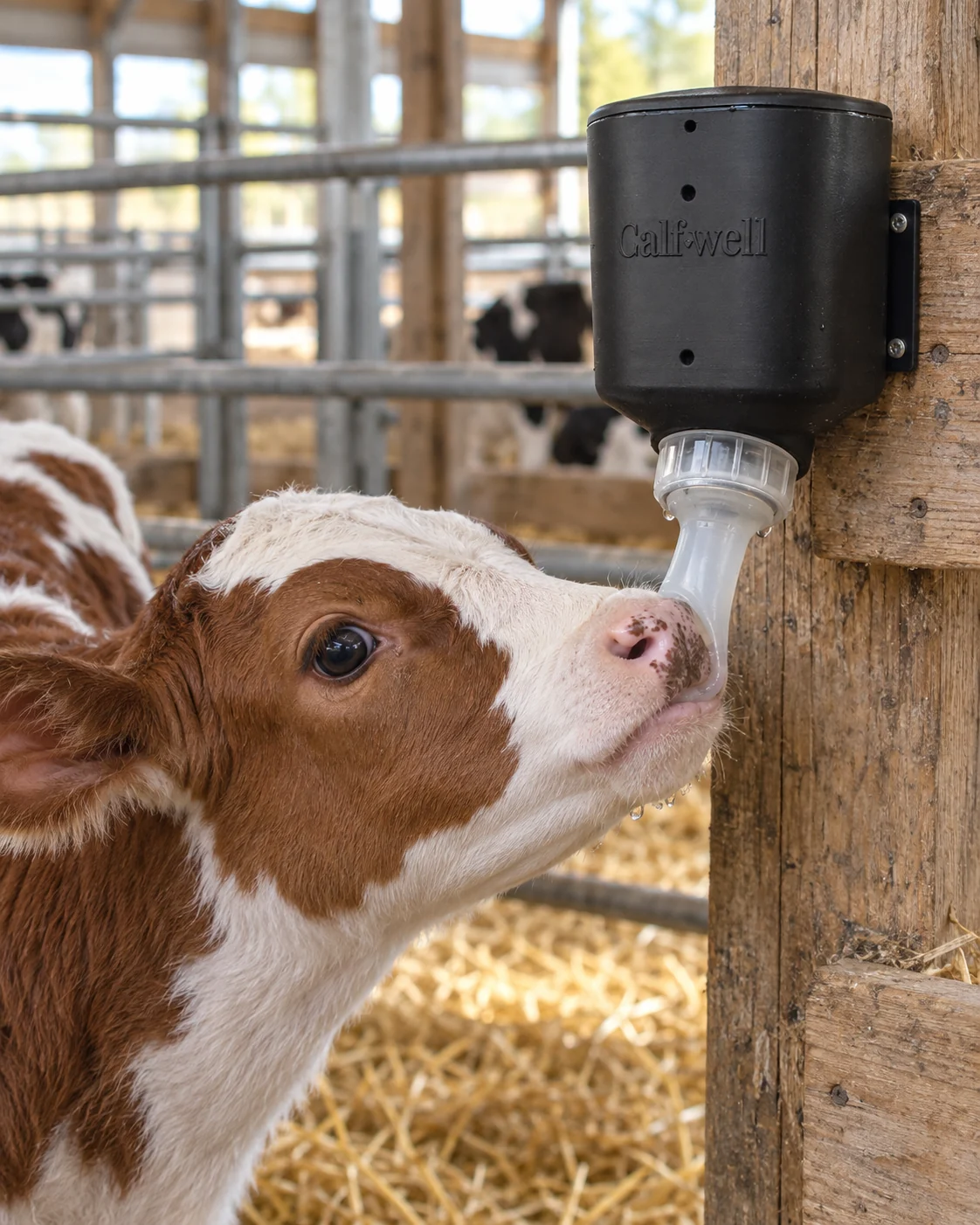
The water line supplies the Canteen. The calf comes to the nipple. Your daily round stays focused on the calf, the water flow and keeping the equipment clean.
The covered reservoir helps keep feed, bedding and flies out between drinks.
Position the nipple where the calf can drink comfortably. Introduce each calf and check that it returns to drink.
A connected water line takes hand-filling out of the routine. Check the supply, nipple flow and cleanliness every day.
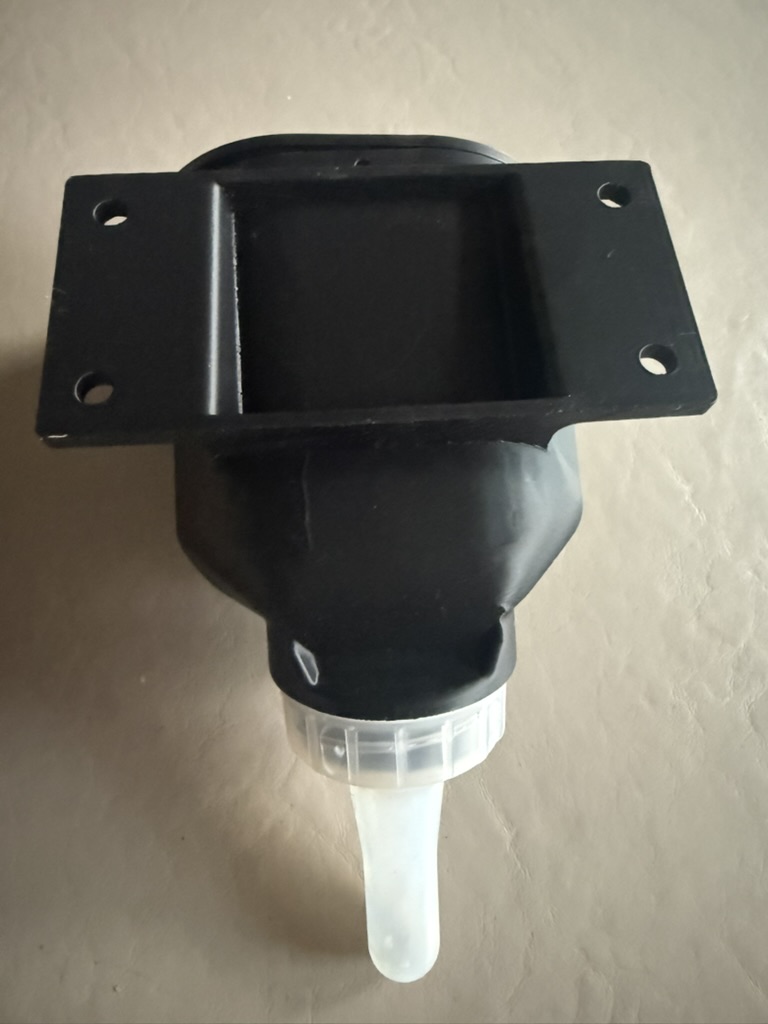
The HDPE body and lid are designed for the knocks and cleanups of a working calf pen. An integrated rear plate gives you four fixing points for a secure installation at the pen or hutch. Connect it to your water line and keep the nipple within easy reach.
Tough HDPE body and lid.
Four-point integrated mount.
Patent pending
Water supply, daily care and getting calves started.
Yes. Canteen connects to a water line and supplies water through a drinking nipple. It is not a pail you fill from the top. Check the connection and installation requirements for your setup before ordering.
A fitted lid covers the reservoir, helping keep feed, bedding and flies out. The calf drinks through the nipple. You still need a clean water source, clean equipment and daily checks.
Yes. Offer clean drinking water alongside the normal milk-feeding program. Water intake supports starter intake as calves grow and move toward weaning.
Read the University of Maryland guidance ↗CalfWell reports this approximate ratio from a comparison on one dairy farm in the southern Netherlands. The trial dataset has not been provided for verification, so the chart is labelled as a draft comparison. It shows relative intake, not measured litres or a guaranteed result.
Canteen has not been proven to prevent cross-sucking. It gives calves a nipple for water, but cross-sucking also involves milk allowance, feeding speed and weaning practices. Review the wider feeding routine if it is a problem in your herd.
Read Penn State’s cross-sucking guidance ↗Canteen supplies water from your line; it does not cool it. Temperature depends on the water source, line routing and conditions at the pen. Protect the installation from direct sun and freezing, and check it during the daily round.
Check the water supply, nipple flow and cleanliness every day. Keep the nipple and reservoir clean, and follow the product’s cleaning and installation instructions.
Introduce each calf to the nipple and watch it drink. Check the height and flow, then make sure the calf comes back to drink on its own. Keep monitoring access and intake, especially in young calves.
CalfWell is based in Alberta, Canada. We ship Canteens worldwide.
A covered supply at the pen. One less pail to fill.
Patent pending